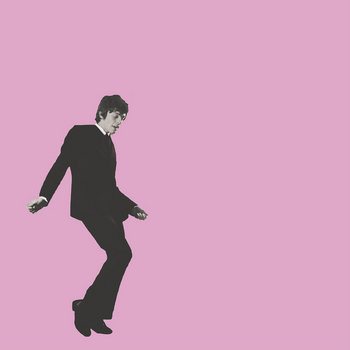
She has worn the same uniform since 2020, and took it off for the cover
White shirt, black tie, checkered miniskirt, white socks. Six years of one outfit, treated as armour, and then removed for the one image that matters most.
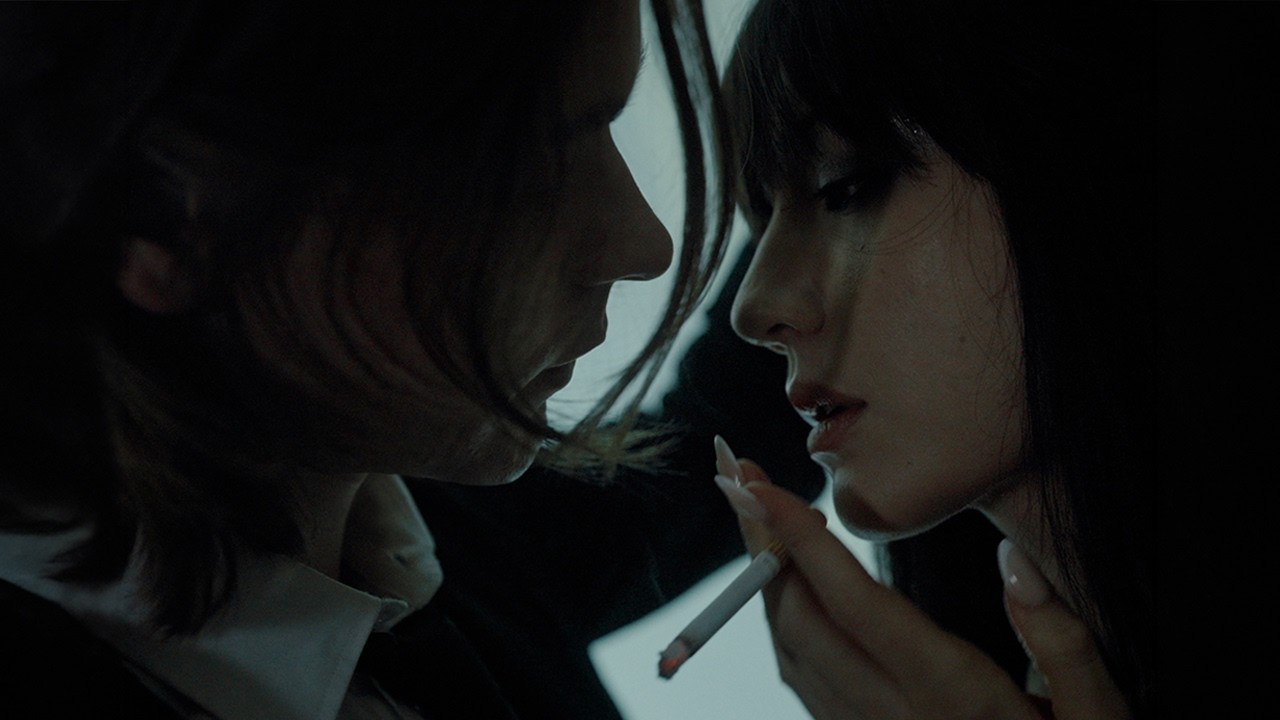 Play on YouTube
i-D describes LIA LIA as "an artist who has spent years constructing a universe that's macabre and saccharine in equal measure". The construction is literal: since 2020 she has appeared in a single fixed uniform, described in the piece as "a white short-sleeved shirt and black tie, black-and-white checkered miniskirt, white socks, and, today, chunky black Shushu/Tong loafers".
Her reasoning is about durability rather than branding:
I try to be timeless. The more I'm in fashion and understand fashion, the less I'm into trends. It makes me happy when I look back at my old covers and it's still the same look.
Why the cover breaks the rule
The album is called Armor, and the uniform is the armour. So the sleeve is the one place she is not wearing it:
The working title was Fallen, but after I finished writing the album, I didn't feel fallen anymore. I felt like I was flying. The uniform is the armor, but on the cover I've taken it off because I want to take off all the layers and walls and be bare and raw and as real as possible.
Six years of visual consistency exist so that one image can mean something by breaking it. That is the whole argument for having a visual identity at all, stated more clearly than most artists manage.
The people around it
The album was conceived while she was performing in Anne Imhof's month-long DOOM in New York. Fellow Berlin artist Lil London appears as her uniformed "brother". Jakob, a fellow performer who is now her bassist and the album's muse, is cast in the "Adore You" video; he was previously a muse for Hedi Slimane at Celine.
A gap: i-D reports she has "signed my album deal" but never names the label, and we could not confirm it.
A collaborator missing from this page? Tell us who made it and we will credit them.